Ride, Shoot, Repeat: City Stories on a Shoestring

Today we dive into budget urban photography routes via public transport, chasing authentic moments between stations, sidewalks, and skylines. Expect practical mapping tips, timing strategies, and lightweight gear ideas that stretch a single fare into a gallery’s worth of frames, inviting you to explore, share, subscribe, and return for fresh journeys.

Mapping Routes That Inspire

Treat the city map like a storyboard and the transit network like a moving tripod. By combining frequent stops, transfer hubs, and contrasting neighborhoods, you can design loops that minimize costs while maximizing visual variety, natural light opportunities, and safety. Keep notes, pin discoveries, and refine the circuit each outing.

Gear That Travels Light

Mobility beats megapixels when fares are precious. Favor compact cameras, phones with reliable stabilization, and a single fast prime over heavy zooms. A small sling keeps batteries, microfiber, and rain cover close. Quiet gear draws less attention, speeds boarding, and helps you blend into scenes that would otherwise dissolve.

Composing on the Move

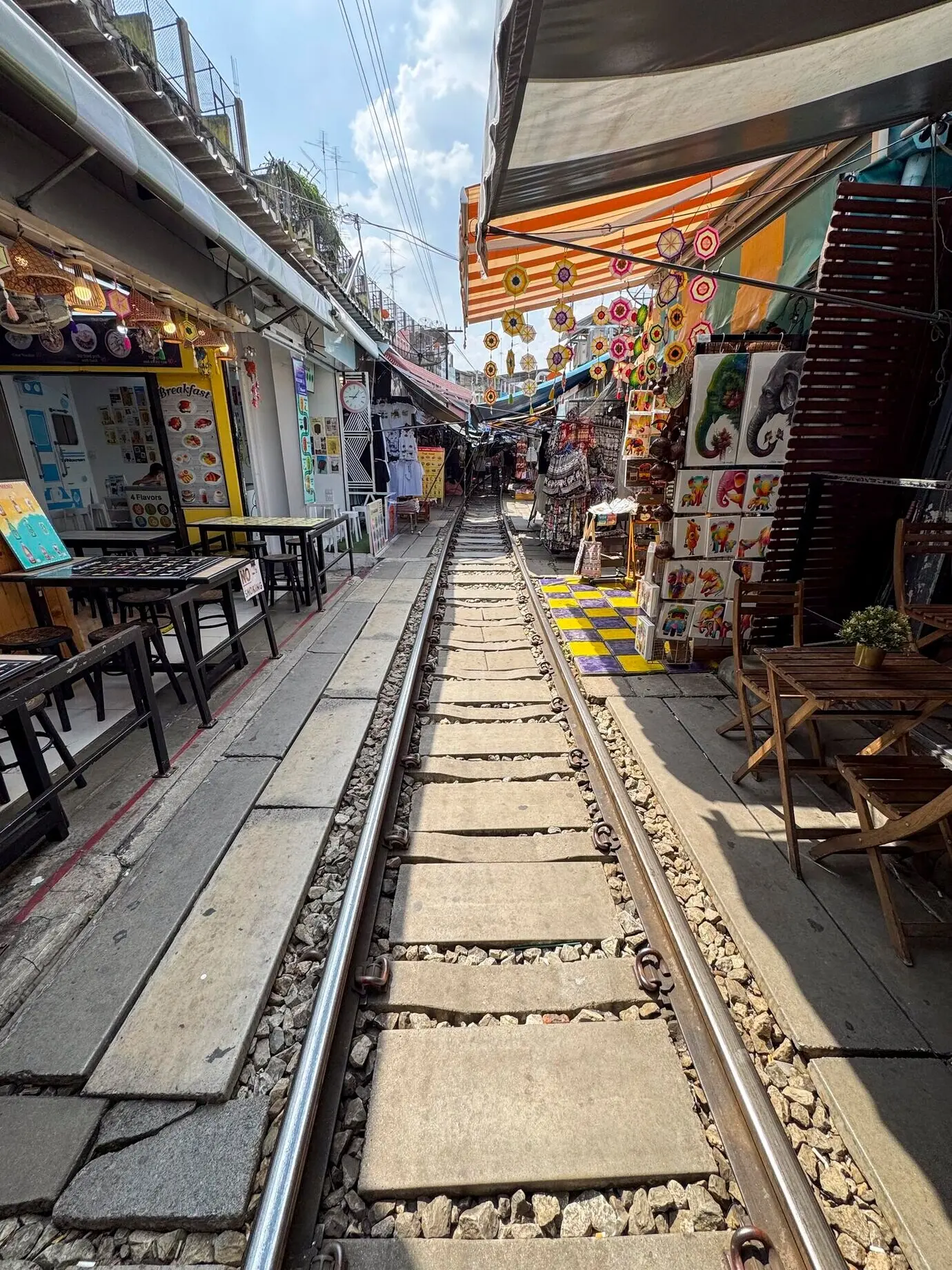
Good composition survives shaky rides and tight transfers. Hunt for leading lines in rails, echoes between billboards and brick, and human gestures framed by doors. Work sequences: establishing shot outside, medium on platform, close inside. Editing later is easier when each scene carries purpose, direction, and a memorable anchor.

Safety, Courtesy, and Legal Basics

Understanding Transit Rules and Photography Policies

Policies vary from permissive to strict, often forbidding tripods, flash, or filming beyond paid areas. Bookmark agency pages, carry identification, and comply quickly if questioned. A respectful tone and visible ticket defuse tension. Prepared shooters keep rolling legally, avoid confiscations, and leave with stories instead of stressful conversations.

Personal Safety in Crowded Platforms

Keep zippers inward, straps across your body, and gear minimal when doors open. Stand behind tactile lines, anticipate sudden surges, and never back up while framing. If you feel uneasy, exit and regroup in a brighter spot. Good instincts beat any lens, and tomorrow always offers another chance.

Respectful Interaction with Staff and Riders

A sincere greeting, brief explanation, and visible fare calm concerns quickly. Offer to step aside or lower the camera when staff need space. When riders become collaborators, show a quick preview and share your handle. Many will follow, message later, and become recurring characters across routes you revisit thoughtfully.

Sample Budget Routes You Can Adapt

Use these outlines as flexible blueprints rather than rigid prescriptions. Check schedules, construction notices, and weather, then shape segments to your city. The secret is pairing inexpensive transfers with locations that transform by hour. Keep your map open, trust curiosity, and let coincidences reward you with unexpected anchor shots.

Morning Golden Hour Loop

Start near a riverside or park-and-ride before dawn, capturing cool tones shifting to warm highlights along a tram toward the business district. Pause at a bridge stop for silhouettes, then continue two stations to cafes setting tables. Low ridership means calmer scenes, polished reflections, and gentle light for portraits.

Midday Architecture and Markets Circuit

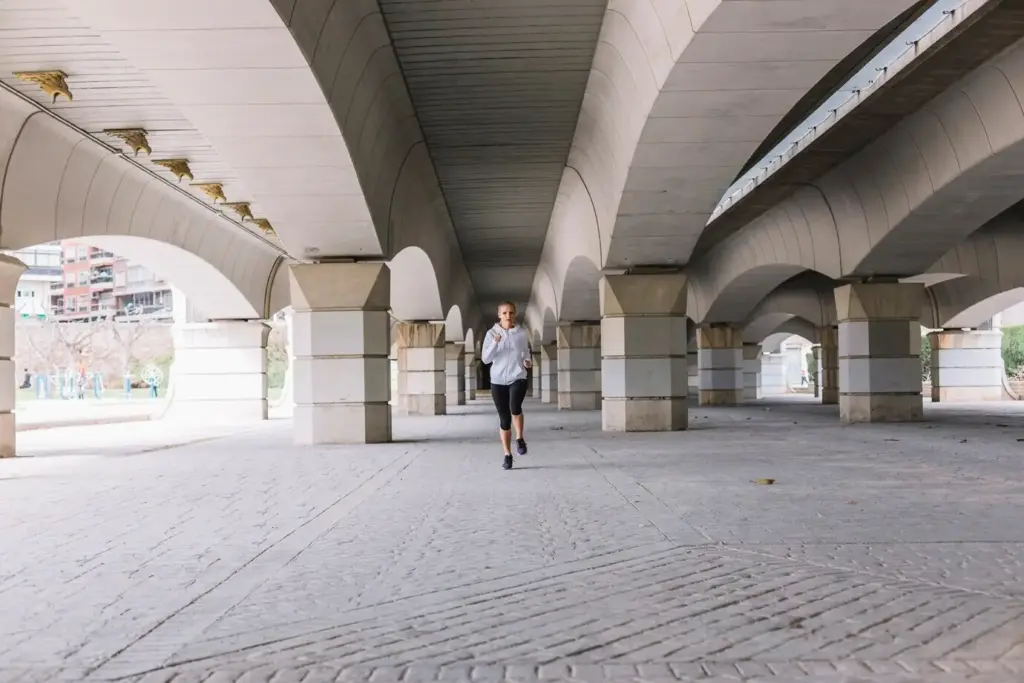
Follow a frequent bus linking civic buildings, arcades, and food halls. Seek repeating columns, airy atriums, and colorful produce forming natural patterns. Step off for ten minutes per stop, harvesting details, then reboard. This rhythm preserves budget, builds variety, and keeps pockets of shade available when midday glare becomes harsh.

Editing and Sharing on the Go

Efficient culling, quick color correction, and clean exports multiply the value of a single fare. Mobile apps handle RAW, lens profiles, and selective edits surprisingly well. Queue posts while waiting at transfers, invite feedback, and tag lines or stations. Community interaction returns tips, collaborations, and route ideas for future sessions.

Mobile Workflows that Shine

Create an album per route, flag keepers immediately, and sync only on Wi‑Fi to save data costs. Use presets that honor skin tones and preserve rail textures. Export small collections for stories and one hero set for your feed, keeping consistency without sacrificing spontaneous surprises captured between stops.

Color Grading for Transit Atmospheres

Balance mixed fluorescents with daylight leaking through doors by anchoring whites on neutral signage. Lift shadows slightly to reveal fabric patterns while controlling noise. Cool down steel, warm skin, and let caution yellows pop. Subtle split-toning keeps images cohesive across neighborhoods, vehicles, and stations, even when conditions change rapidly.
Captions, Accessibility, and Community Engagement

Pair images with descriptive captions and alt text that explain context, movement, and mood without spoiling mystery. Ask viewers for route suggestions, hidden overlooks, or safer transfer points. Invite subscribers to monthly challenges using only public transport. Shared knowledge compounds, and together your gallery grows beyond any single city line.
Tapezilekaximonu
Privacy Overview

This website uses cookies so that we can provide you with the best user experience possible. Cookie information is stored in your browser and performs functions such as recognising you when you return to our website and helping our team to understand which sections of the website you find most interesting and useful.