
Ride, Discover, Play: A Citywide Adventure on Wheels and Rails
Welcome to an energetic dive into transit-based scavenger hunts across urban neighborhoods, where buses, trains, trams, and ferries transform into playful pathways. We will explore how moving clues spark discovery, connect communities, and turn everyday commutes into collaborative adventures that celebrate local character, curiosity, and joyful movement through the city.
Blueprints for a Moving Quest
Before the first clue is read, smart planning ensures the entire journey feels seamless, safe, and delightfully surprising. A thoughtful blueprint aligns transit schedules, neighborhood rhythms, and the group’s energy, weaving together practical logistics and creative storytelling so participants experience continuous momentum, fair pacing, and meaningful encounters around every corner and platform.
Clues That Travel
Time-Synced Riddles
Create challenges that reference predictable intervals without punishing variability. For example, instruct teams to board a train that arrives three minutes after a specific chime, then note the third mosaic tile from the left at the next stop. Provide contingency notes for delays. Emphasize observation over speed, ensuring equitable success despite shifting service conditions.
Landmarks from the Platform
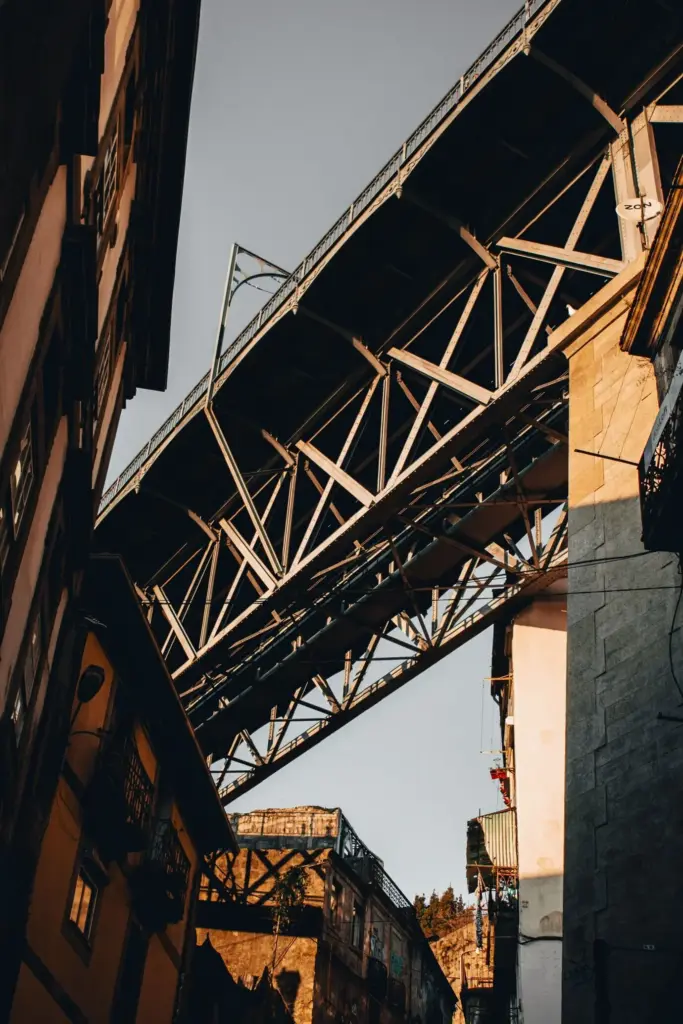
Invite players to look outward from platforms or windows, reading city layers like a living archive. Prompt them to spot rooftop gardens, historical plaques, mural fragments, or unique storefront typography. Clues anchored to resilient landmarks resist schedule hiccups, letting transit motion frame discoveries while keeping everyone’s attention safely oriented and respectfully engaged.
Audio, Color, and Number Patterns
Lean on the sensory richness of transit systems: distinctive station jingles, color-coded lines, carriage numbering, and wayfinding arrows. Ask participants to decode a pattern, count recurring elements, or translate a color sequence into a directional instruction. These multimodal cues engage different learning styles and foster teamwork as players combine listening, seeing, and reasoning.
Safety and Accessibility First
A brilliant adventure never compromises wellbeing. Consider mobility needs, sensory accommodations, and clear signage. Build routes that avoid overcrowded pinch points and long staircase-only transfers. Offer alternative pathways, safety checkpoints, and real-time communication channels. When everyone can participate comfortably and confidently, exploration becomes genuinely inclusive, and the city opens in generous, memorable ways.
Inclusive Routes for All Bodies
Map elevators, ramps, level boarding areas, and accessible restrooms. Provide printable and screen-reader-friendly clue sheets. Offer seating opportunities along the way and realistic time windows to prevent stress. Invite participants to share needs in advance. Accessibility planning not only broadens participation, it enriches the shared experience by honoring different rhythms, speeds, and capacities.
Emergency Plans and Checkpoints
Establish rendezvous points near staffed stations or visible landmarks, and communicate protocols for delays, missed transfers, or service alerts. Share a hotline for organizers. Encourage teams to travel together, remain aware of surroundings, and pivot when needed. Preparedness builds confidence, protects momentum, and assures that surprises spark delight rather than worry or confusion during play.
Respectful Play in Shared Spaces
Transit is a communal resource. Encourage indoor voices, minimal clutter, and keeping aisles clear. Avoid blocking doors or platform edges, and never pressure staff for hints during busy periods. Celebrate kindness: holding space for strollers, helping visitors with directions, and acknowledging workers. When respect guides interaction, the city becomes a partner in the adventure’s magic.
Points That Encourage Curiosity
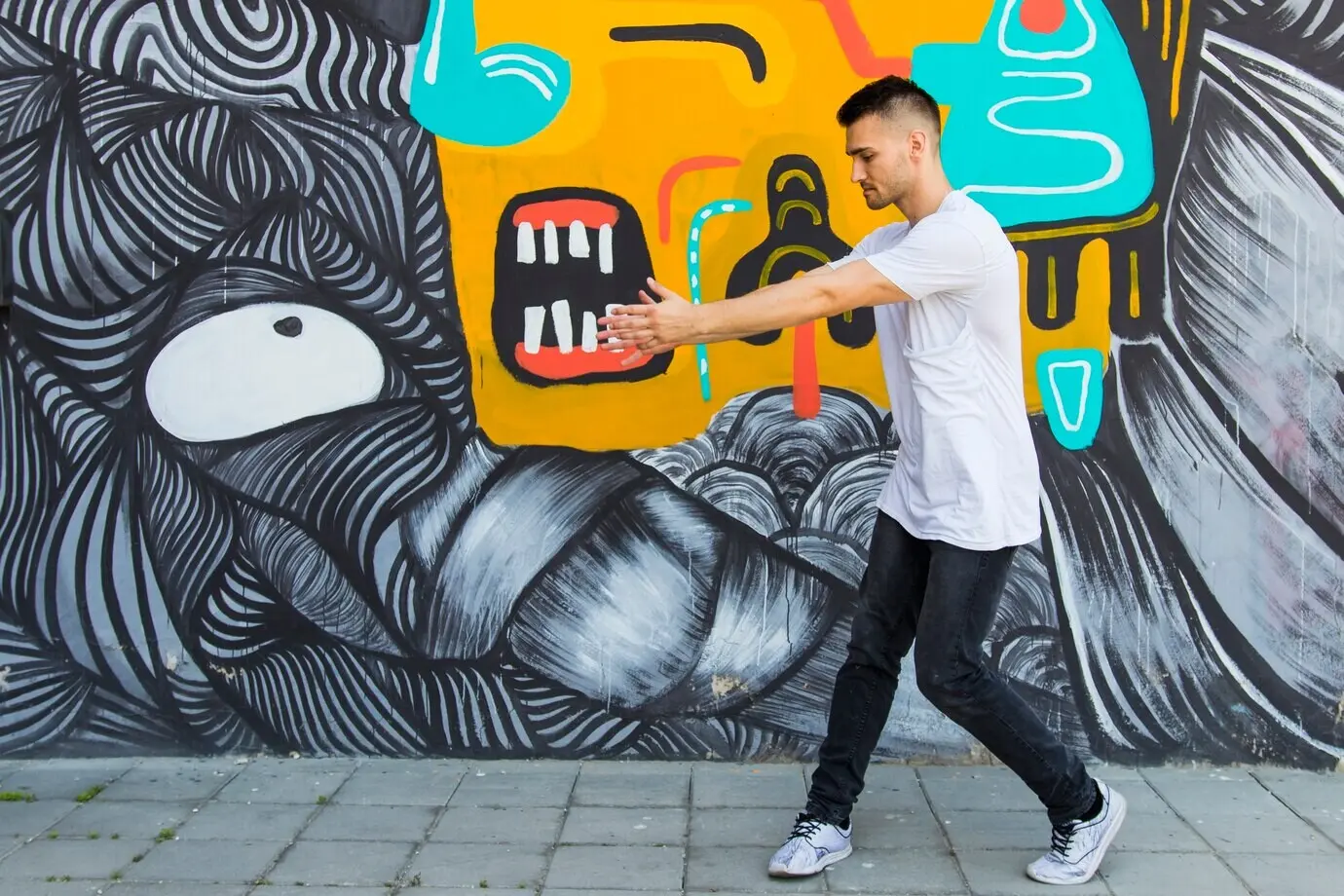
Assign higher value to tasks that require noticing subtle details, interviewing a consenting local merchant, or interpreting public art. Offer bonus points for creative photos and thoughtful write-ups. This reduces reliance on pure speed, elevates the city’s stories, and ensures teams slow down enough to savor rich textures hiding between scheduled stops.
Co-op Twists and Team Roles
Introduce occasional cooperation tasks where teams must exchange harmless hints at a midpoint, or pair roles like navigator, observer, interviewer, and timekeeper. These structures promote inclusion, distribute responsibilities, and help quieter voices shine. When collaboration earns points, competition becomes friendlier, and the shared memory of discovery feels larger than any scoreboard.
Real Stories from City Lines
Anecdotes give life to guidelines. From missed transfers turned accidental discoveries to neighborhood greetings that transformed strangers into teammates, these moments teach humility, adaptability, and joy. Sharing them helps future organizers anticipate surprises, empathize with participants, and design routes that turn the city’s unpredictability into unforgettable chapters of playful urban exploration.
Share, Measure, and Grow the Adventure
After the last clue is solved, the story continues. Collect feedback, analyze movement patterns, and archive photos to refine future editions. Publish highlights that thank participants, credit local partners, and celebrate neighborhoods. Ongoing conversation inspires repeat journeys, new routes, and a growing circle of curious explorers eager to ride, notice, and connect.
Photo Trails and Map Pins
Invite teams to submit geotagged photos and short reflections. Compile a shared map showing where insights bloomed: murals that sparked debates, benches that hosted strategy huddles, or stations with memorable chimes. This living gallery deepens collective memory and offers newcomers an inspiring window into what makes the city’s transit tapestry so captivating.
Feedback Loops and Iteration
Distribute a post-journey survey asking about clarity of clues, pacing, accessibility, and delight. Compare planned timelines with actual arrival data. Use patterns to refine instructions, strengthen safety touchpoints, and recalibrate scoring. Iterative improvements create a culture of listening, where each ride teaches, each insight matters, and every future journey grows wiser.
Inviting Local Partners
Engage museums, small businesses, libraries, and transit arts programs. Co-design clues that spotlight neighborhood histories or seasonal events. Offer participants modest discounts or stamps when appropriate permissions exist. These partnerships strengthen community ties, increase authenticity, and invite residents to proudly share stories that keep the adventure grounded, respectful, and wonderfully human.